
Mold Inspection vs. Mold Remediation: What Detroit Homeowners Need to Know in 2026
August 13, 2026
Mold inspection identifies whether mold is present in a home. Mold remediation is the physical process of safely removing it. Detroit, MI, homeowners need to understand both before hiring anyone. If you have found a musty smell, spotted dark patches on drywall, or recently dealt with flooding, this guide will help you know which service you need first. Working with a qualified mold inspection company in Detroit, MI, can save you time, money, and health problems.
Detroit has a real mold problem. Clay-heavy soil holds moisture against foundation walls year-round, freeze-thaw cycles widen cracks over time, and Southeast Michigan sees frequent heavy rainfall. Choosing the right mold inspection company in Detroit, MI, early helps you avoid costly guesswork.
What Is a Mold Inspection?
A mold inspection is a professional assessment to determine whether mold is present and where it may be hiding. An inspector examines moisture-prone areas and may collect air samples or surface swabs for lab testing. The goal is information, not removal.
Inspectors typically examine basements, crawl spaces, attics, bathrooms, kitchens, HVAC systems, and areas around windows and plumbing. Afterward, you receive a written report detailing findings, mold type, and likely moisture sources. A reputable mold inspection company in Detroit, MI, always provides a documented report rather than a verbal summary alone. Security First Home Inspections & Remediation
follows this standard on every job, giving homeowners a clear record they can act on.
What Is Mold Remediation?
Mold remediation is the physical process of containing, removing, and cleaning mold after it has been confirmed. A remediation team sets up containment, removes affected materials, treats surfaces, and uses HEPA air scrubbers to clear airborne spores. Addressing the moisture source is a critical part of any effective job.
Remediation typically involves containment barriers, removal of unsalvageable materials such as drywall or carpet, surface treatment, HEPA air filtration, and moisture source correction. Without fixing the underlying moisture issue, mold returns. This is especially relevant in Detroit neighborhoods like East English Village, Corktown, and Brightmoor, where aging foundations and sewer backups are common. Security First offers comprehensive mold remediation services
designed to address both the mold itself and the conditions that allowed it to grow.
Do You Need Both Services?
Most Detroit homeowners need both, in order. The inspection comes first. It tells you whether remediation is necessary and defines the scope of work. Skipping the inspection risks missing hidden mold or paying for work in the wrong area.
After remediation, a post-remediation clearance inspection confirms that removal was successful and airborne spore counts have returned to normal. Think of it as before-and-after verification that keeps the remediation accountable. Scheduling a visit from a qualified mold inspection company in Detroit, MI, before any work begins protects you from unnecessary or incomplete remediation.
Can the Same Company Do Both?
Yes, though it raises a legitimate conflict-of-interest concern. A company that profits from remediation has a financial incentive to recommend it. If you hire one company for both, ask for a detailed written inspection report before agreeing to any remediation work. Transparency in reporting is the key indicator of a trustworthy provider. If you want to learn more or ask questions before committing, contact us online
and a member of our team will walk you through the process.
What Is the Difference Between Mold Inspection and Mold Testing?
A mold inspection is a visual assessment. Mold testing collects air or surface samples for lab analysis. Testing identifies the type and concentration of mold; an inspection identifies where it is and what caused it. The two are often done together but are not the same service.
How Long Does a Mold Inspection Take?
Most residential inspections take one to three hours depending on home size and areas assessed. Lab results from samples typically take a few additional days.
Does Homeowners Insurance Cover Mold Remediation in Michigan?
Coverage depends on your policy and the cause of the mold. Mold from a sudden covered event like a burst pipe may be covered. Mold from long-term moisture neglect is often excluded. Review your policy and consult your provider before assuming coverage.
Get Reliable Mold Inspection and Remediation Serving Detroit
Understanding the difference between inspection and remediation helps you protect your household, spend wisely, and hold contractors accountable. Working with a trusted mold inspection company in Detroit, MI, gives you the documentation needed to move forward with confidence.
Security First Home Inspections & Remediation serves Detroit, MI, and the surrounding area with both mold inspection and remediation for residential properties. Call (419) 604-2716
to schedule your inspection or request a quote.
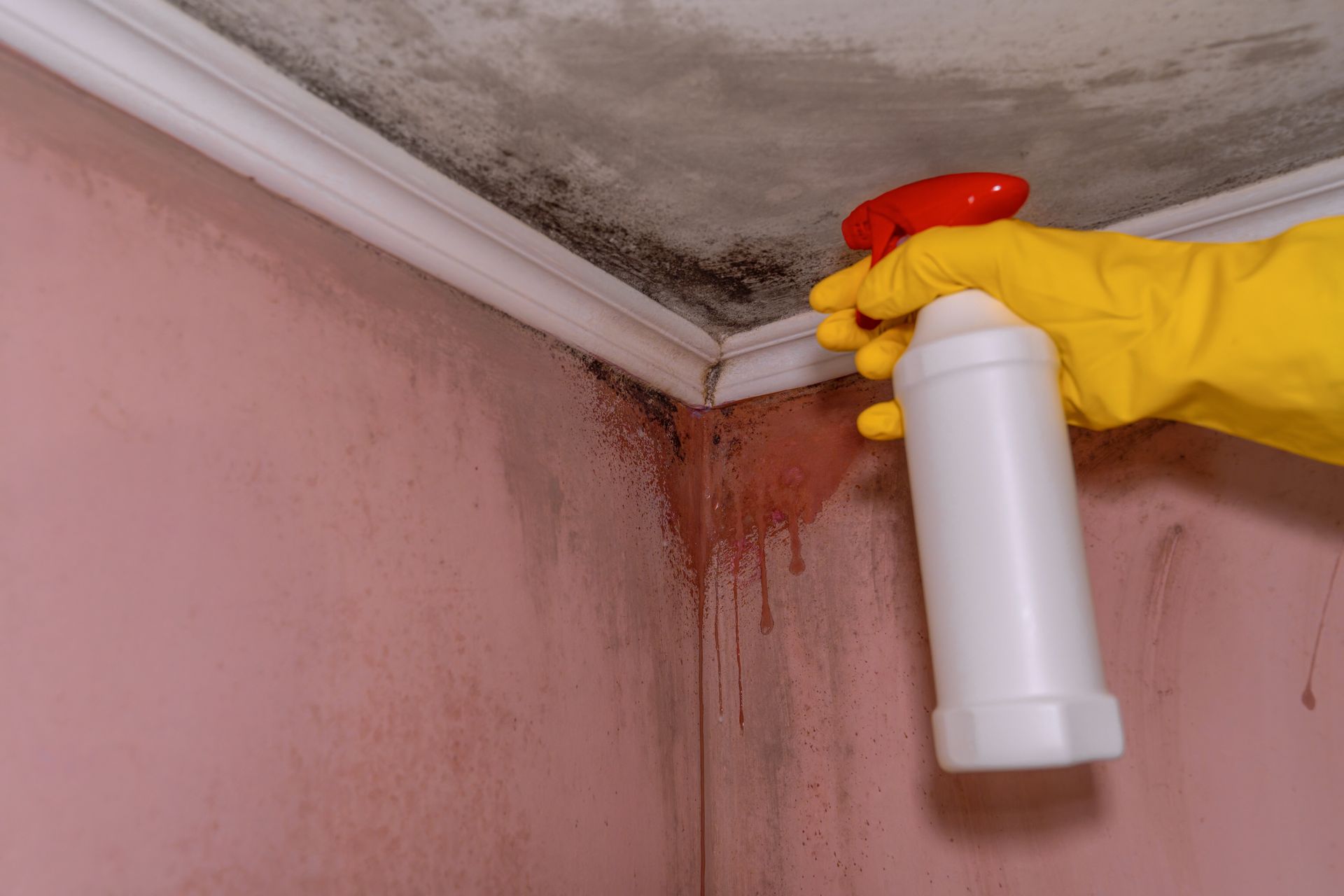
Many Toledo homeowners think mold cleaning and mold remediation mean the same thing. They do not, and the wrong choice can leave mold growing behind a freshly cleaned wall. The difference matters in Toledo, Ohio, where older homes and Great Lakes humidity help mold grow all year. What Is Mold Cleaning, and When Is It Enough? Mold cleaning removes mold you can see on a surface. A pro scrubs the area and uses an approved cleaner that kills mold. It works best on small areas where the water problem is already fixed. Professional mold cleaning services in Toledo, Ohio, can handle these jobs well. The key word is "contained." Cleaning the surface will not fix mold behind a wall, inside insulation, or in a crawl space. Honest providers will tell you when a job is too big for cleaning alone. What Does Full Mold Remediation Actually Involve? Full mold remediation treats mold at every layer of a home. It removes the mold, finds the cause, and confirms the air is safe afterward. A professional job often includes these steps: 1. Inspect the home and test the air to find every affected area. 2. Seal off the work zone so spores do not spread. 3. Remove damaged drywall, insulation, and other soft materials that cannot be cleaned. 4. Vacuum and filter the air with HEPA equipment, which traps tiny airborne spores. 5. Clean and treat wood framing and other hard surfaces. 6. Dry the space fully to remove leftover moisture. 7. Test again to confirm mold levels are back to normal. You need this level of work when mold has soaked into building materials or covers a large area. You also need it when air tests show high spore counts that you cannot see. In those cases, mold cleaning services alone will not be enough. Why Toledo's Older Homes Change the Equation Toledo homes face a different mold risk than newer homes in other places. About 85 percent of Toledo's housing was built before 1978. In the Old West End, 72 percent of homes date to 1939 or earlier, which is higher than 98.9 percent of U.S. neighborhoods. Hidden Mold in Old Walls Many older homes were built with balloon framing, which leaves open gaps inside the walls. Mold in one of these gaps can travel from the basement to the attic. You may see no sign of it on the surface. Toledo Weather and Moisture Spring flooding from snowmelt and summer humidity from the Great Lakes feed mold in attics, crawl spaces, and walls. Notice a musty smell in an older Toledo home? Get a professional check before you choose between mold cleaning services and full remediation. A Simple Decision Framework for Toledo Homeowners Use these lists as a quick guide. They do not replace a professional check. When Mold Cleaning May Be Enough · The mold covers a small area, usually under 10 square feet. · It is on a hard surface like tile or sealed concrete. · The source of the moisture has been fixed. · There is no musty smell beyond the visible patch. · Air tests show normal spore counts. When Full Mold Remediation Is Likely Needed · Mold shows up in several areas or keeps coming back after cleaning. · You smell mold but cannot see it. · The mold is on soft materials like drywall or wood framing. · The home had a flood or a slow plumbing leak. · Air tests show high spore counts. · The home was built before 1980 and has a basement or crawl space. The most important question is whether the moisture source is fixed. Mold will return after any treatment if water keeps getting in. When to Call a Professional Call before you touch anything if any of these are true: · You find mold but cannot tell how far it has spread. · Your home had a water event in the past year. · Someone in the home has breathing problems. A professional check shows whether you need targeted mold cleaning services or full remediation. It can also save you from paying for a cleaning that will not last. Frequently Asked Questions
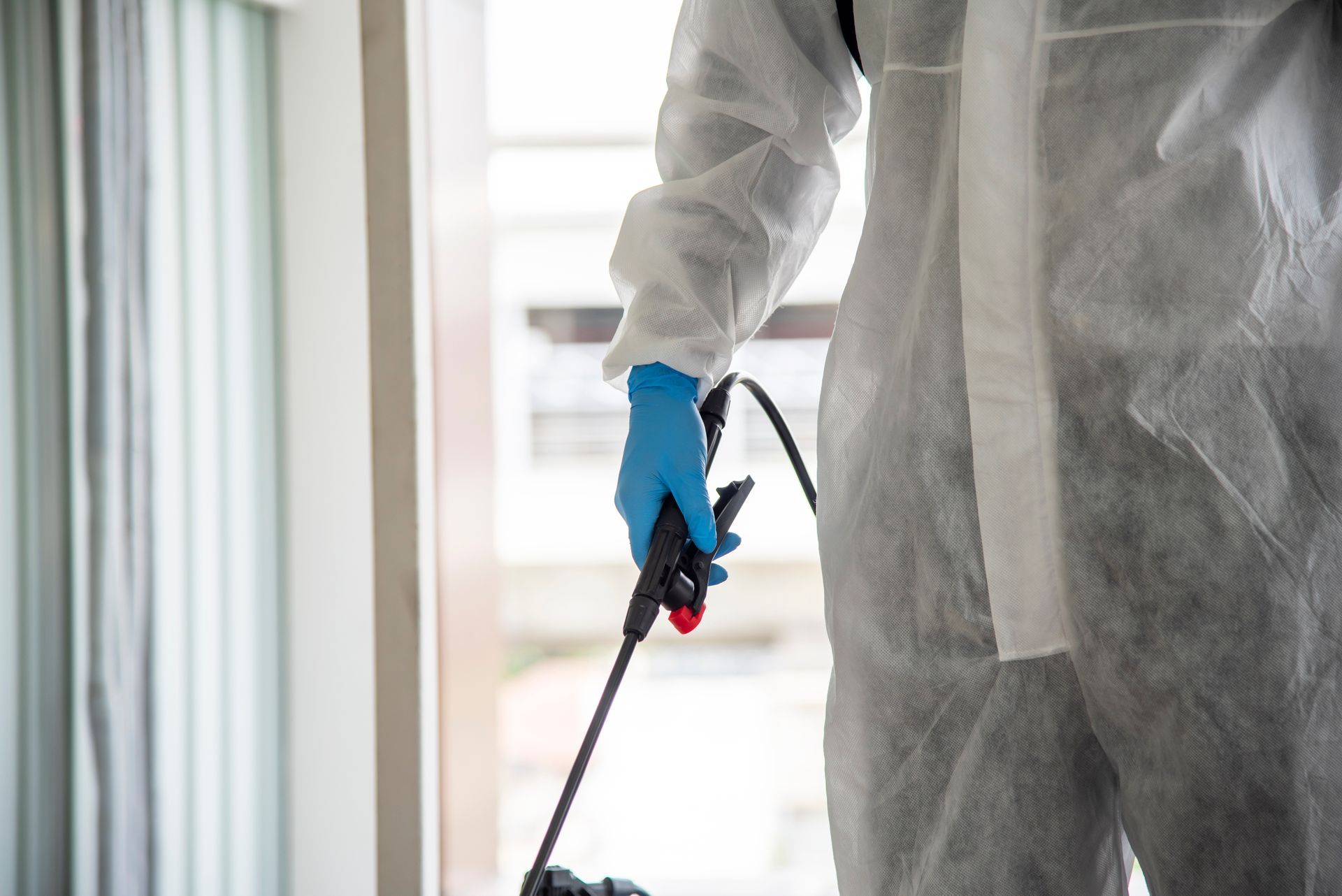
Mold Cleaning Services in Detroit, MI: learn when insurance covers mold, common exclusions, and what to do if denied. Security First offers expert help. Call today.

Room-by-room home inspections in Toledo, OH by InterNACHI-certified pros at Security First Home Inspections & Remediation. Book your inspection today.
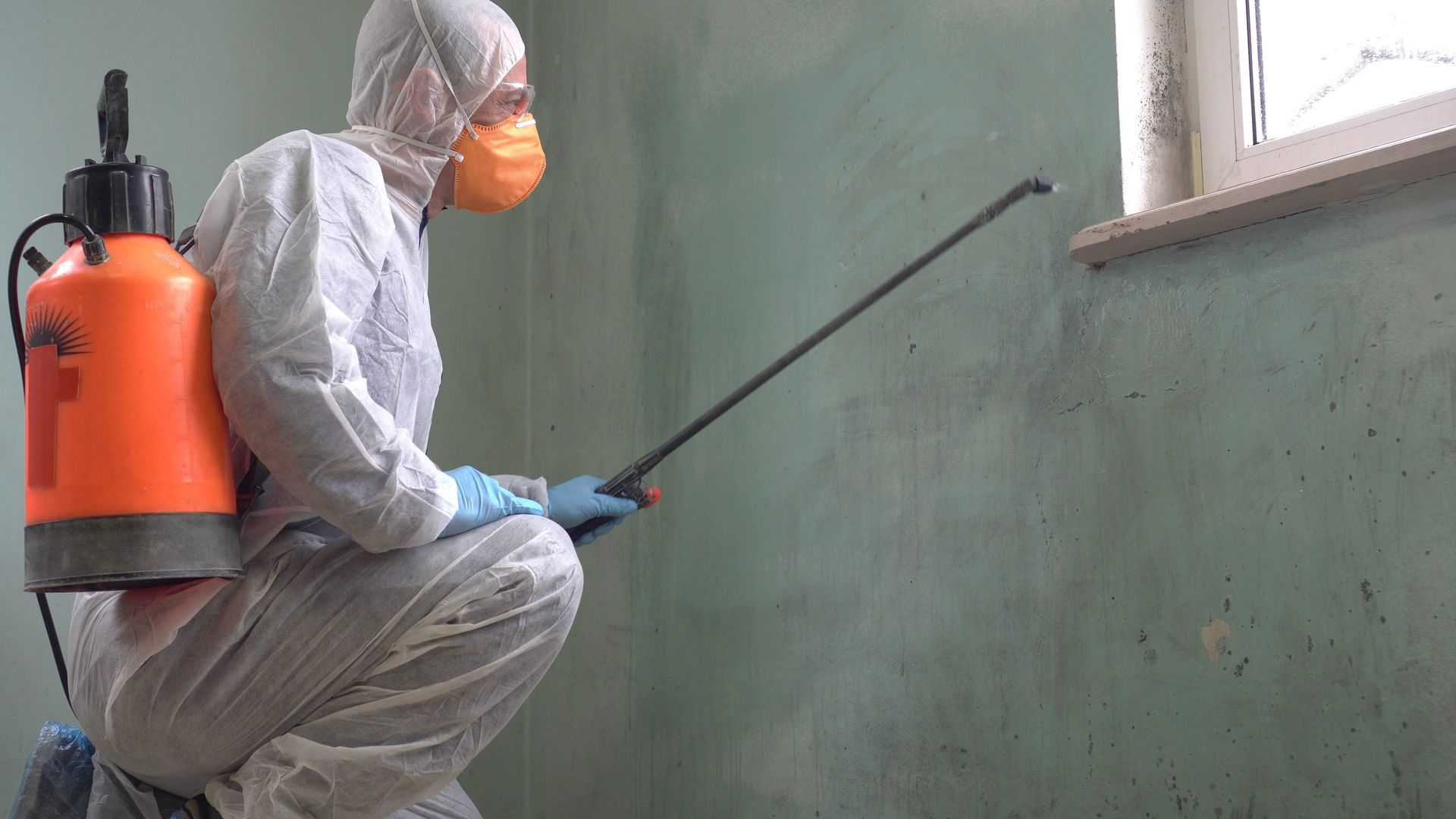
Need Mold Remediation in Detroit, MI? Security First Home Inspections serves Detroit buyers with expert mold testing and clearance. Call today.
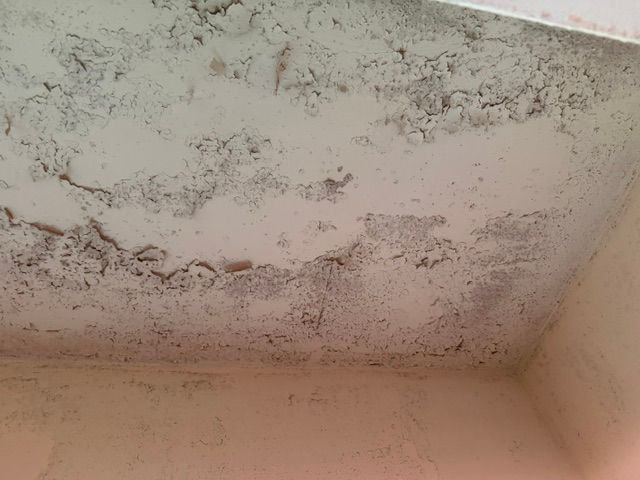
Purchasing a new home is an exciting milestone, but discovering hidden water damage and mold before moving in can quickly become overwhelming. That's exactly what happened for these homeowners in Fort Wayne, Indiana . Fortunately, our professional mold remediation team was able to restore the home to a safe, healthy condition before their family moved in.





