
What Does a Home Inspector Check? A Room-by-Room Breakdown for Toledo & Detroit Buyers in 2026
August 13, 2026
Knowing what a home inspector examines helps Toledo, OH, buyers make confident decisions before closing. Whether you are buying a brick bungalow in Old West End or a newer build in the northwest Ohio suburbs, home inspection services in Toledo, OH, can surface hidden issues before you sign.
What Does a Home Inspector Examine First?
Inspectors begin outside. They evaluate grading and drainage around the foundation, check siding and caulking for moisture gaps, and assess the roof for shingle condition, flashing, gutters, and downspout extensions.
In the Toledo area, freeze-thaw cycles and Great Lakes humidity can accelerate fascia rot, making this exterior check especially important for local buyers.
Inspectors also note the condition of exterior doors, window frames, and any attached structures like garages or decks. These components often reveal early signs of water intrusion or deferred maintenance that might not be visible from inside, which is one reason home inspection services in Toledo, OH, start with a careful walk around the exterior.
Room-by-Room: What Gets Checked Inside?
Foundation and Basement or Crawl Space
Inspectors look for wall cracks, water staining, efflorescence, wood rot, and pest activity. Toledo's high water table and clay-heavy soils shift seasonally, making foundation issues a recurring concern in Lucas County homes.
Home inspection services in Toledo, OH, routinely flag these problems during crawl space evaluations.
Sump pump operation and the presence of a functioning battery backup are also reviewed. Sump failure during spring thaw can lead to significant flooding in below-grade spaces.
Electrical System
The panel, wiring, outlets, and switches are all reviewed. Inspectors flag double-tapped breakers, missing GFCI protection, and outdated panels.
Homes built before 1970 in neighborhoods like Birmingham and Westgate may still carry original wiring.
Smoke and carbon monoxide detector placement is also noted, particularly in homes with gas appliances or attached garages.
Plumbing
Supply line material, water pressure, drain flow, water heater condition, and visible leaks are all noted. Galvanized steel pipes, common in pre-1960s homes, corrode from the inside out.
Detroit-area buyers in Dearborn or Downriver neighborhoods often encounter the same vintage plumbing issues.
Inspectors also check water heater age, temperature and pressure relief valve function, and whether the unit is properly vented. An aging or improperly installed water heater poses both efficiency and safety concerns.
Questions about the team or service area can be answered through the contact page
.
HVAC System
Inspectors operate the system and check furnace age, heat exchanger condition, filter status, ductwork, and cooling output. Northwest Ohio furnaces carry a heavy load through cold Lake Erie winters, so combustion equipment and flue venting receive close attention.
Air conditioning units are tested for proper operation and refrigerant line condition when temperatures allow.
Inspectors also assess thermostat responsiveness and note any rooms receiving uneven heating or cooling, which may signal ductwork gaps or blockages. Catching these issues early is exactly why home inspection services in Toledo, OH, put HVAC performance near the top of the checklist.
Attic
Inspectors check insulation depth, ventilation, roof sheathing, and signs of moisture or mold. Poor ventilation in humid Great Lakes climates leads to condensation and wood damage.
Dark staining or musty odors warrant professional mold testing and remediation services
.
Kitchen, Bathrooms, and Living Areas
Exhaust fans, GFCI outlets, plumbing fixtures, and drain speed are tested. Tile and grout around tubs and showers are checked for gaps that allow water into wall framing.
In living areas and bedrooms, inspectors note ceiling stains, floor levelness, window operation, and detector placement. Failed thermal seals on double-pane windows appear frequently across Toledo due to wide seasonal temperature swings.
Cabinet interiors under sinks are inspected for evidence of slow leaks, and dishwasher connections and garbage disposal operation are also verified during the kitchen walkthrough.
Why Toledo and Detroit Buyers Face Unique Challenges
This region shares a legacy of pre-1960 construction. Buyers commonly find aging electrical panels, cast iron drain stacks, and inadequate attic ventilation in the same property.
Clay soils in Lucas and Monroe counties cause foundation movement that cracks drywall and sticks doors. Great Lakes humidity raises the risk of basement moisture and attic condensation, which is why mold assessment pairs naturally with a standard inspection.
Home inspection services in Toledo, OH, are especially non-negotiable for any property built before 1980.
Most inspections take two to four hours. Attending in person lets the inspector walk you through findings as they occur, giving you a clearer picture of immediate repair priorities versus long-term maintenance items, another reason buyers turn to home inspection services in Toledo, OH, before finalizing a purchase.
While Ohio does not legally require a home inspection, skipping one may leave costly repairs undiscovered before closing. Security First Home Inspections & Remediation
is reviewed and easy to find on Google.
Schedule Before Your Closing Date
Security First Home Inspections & Remediation serves buyers throughout the Toledo region with InterNACHI-certified home inspection services in Toledo, OH. Call (419) 604-2716
to book your inspection.
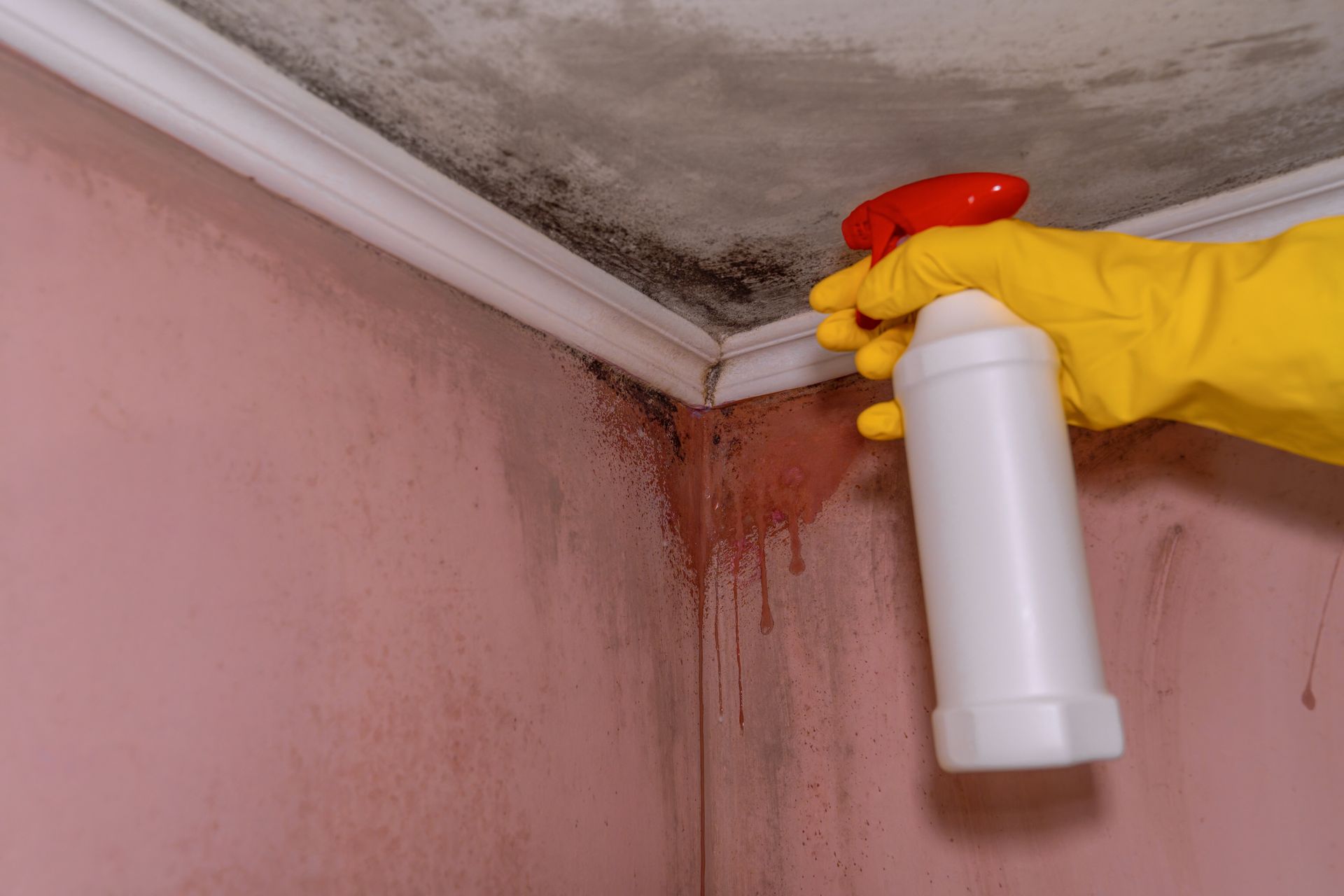
Many Toledo homeowners think mold cleaning and mold remediation mean the same thing. They do not, and the wrong choice can leave mold growing behind a freshly cleaned wall. The difference matters in Toledo, Ohio, where older homes and Great Lakes humidity help mold grow all year. What Is Mold Cleaning, and When Is It Enough? Mold cleaning removes mold you can see on a surface. A pro scrubs the area and uses an approved cleaner that kills mold. It works best on small areas where the water problem is already fixed. Professional mold cleaning services in Toledo, Ohio, can handle these jobs well. The key word is "contained." Cleaning the surface will not fix mold behind a wall, inside insulation, or in a crawl space. Honest providers will tell you when a job is too big for cleaning alone. What Does Full Mold Remediation Actually Involve? Full mold remediation treats mold at every layer of a home. It removes the mold, finds the cause, and confirms the air is safe afterward. A professional job often includes these steps: 1. Inspect the home and test the air to find every affected area. 2. Seal off the work zone so spores do not spread. 3. Remove damaged drywall, insulation, and other soft materials that cannot be cleaned. 4. Vacuum and filter the air with HEPA equipment, which traps tiny airborne spores. 5. Clean and treat wood framing and other hard surfaces. 6. Dry the space fully to remove leftover moisture. 7. Test again to confirm mold levels are back to normal. You need this level of work when mold has soaked into building materials or covers a large area. You also need it when air tests show high spore counts that you cannot see. In those cases, mold cleaning services alone will not be enough. Why Toledo's Older Homes Change the Equation Toledo homes face a different mold risk than newer homes in other places. About 85 percent of Toledo's housing was built before 1978. In the Old West End, 72 percent of homes date to 1939 or earlier, which is higher than 98.9 percent of U.S. neighborhoods. Hidden Mold in Old Walls Many older homes were built with balloon framing, which leaves open gaps inside the walls. Mold in one of these gaps can travel from the basement to the attic. You may see no sign of it on the surface. Toledo Weather and Moisture Spring flooding from snowmelt and summer humidity from the Great Lakes feed mold in attics, crawl spaces, and walls. Notice a musty smell in an older Toledo home? Get a professional check before you choose between mold cleaning services and full remediation. A Simple Decision Framework for Toledo Homeowners Use these lists as a quick guide. They do not replace a professional check. When Mold Cleaning May Be Enough · The mold covers a small area, usually under 10 square feet. · It is on a hard surface like tile or sealed concrete. · The source of the moisture has been fixed. · There is no musty smell beyond the visible patch. · Air tests show normal spore counts. When Full Mold Remediation Is Likely Needed · Mold shows up in several areas or keeps coming back after cleaning. · You smell mold but cannot see it. · The mold is on soft materials like drywall or wood framing. · The home had a flood or a slow plumbing leak. · Air tests show high spore counts. · The home was built before 1980 and has a basement or crawl space. The most important question is whether the moisture source is fixed. Mold will return after any treatment if water keeps getting in. When to Call a Professional Call before you touch anything if any of these are true: · You find mold but cannot tell how far it has spread. · Your home had a water event in the past year. · Someone in the home has breathing problems. A professional check shows whether you need targeted mold cleaning services or full remediation. It can also save you from paying for a cleaning that will not last. Frequently Asked Questions
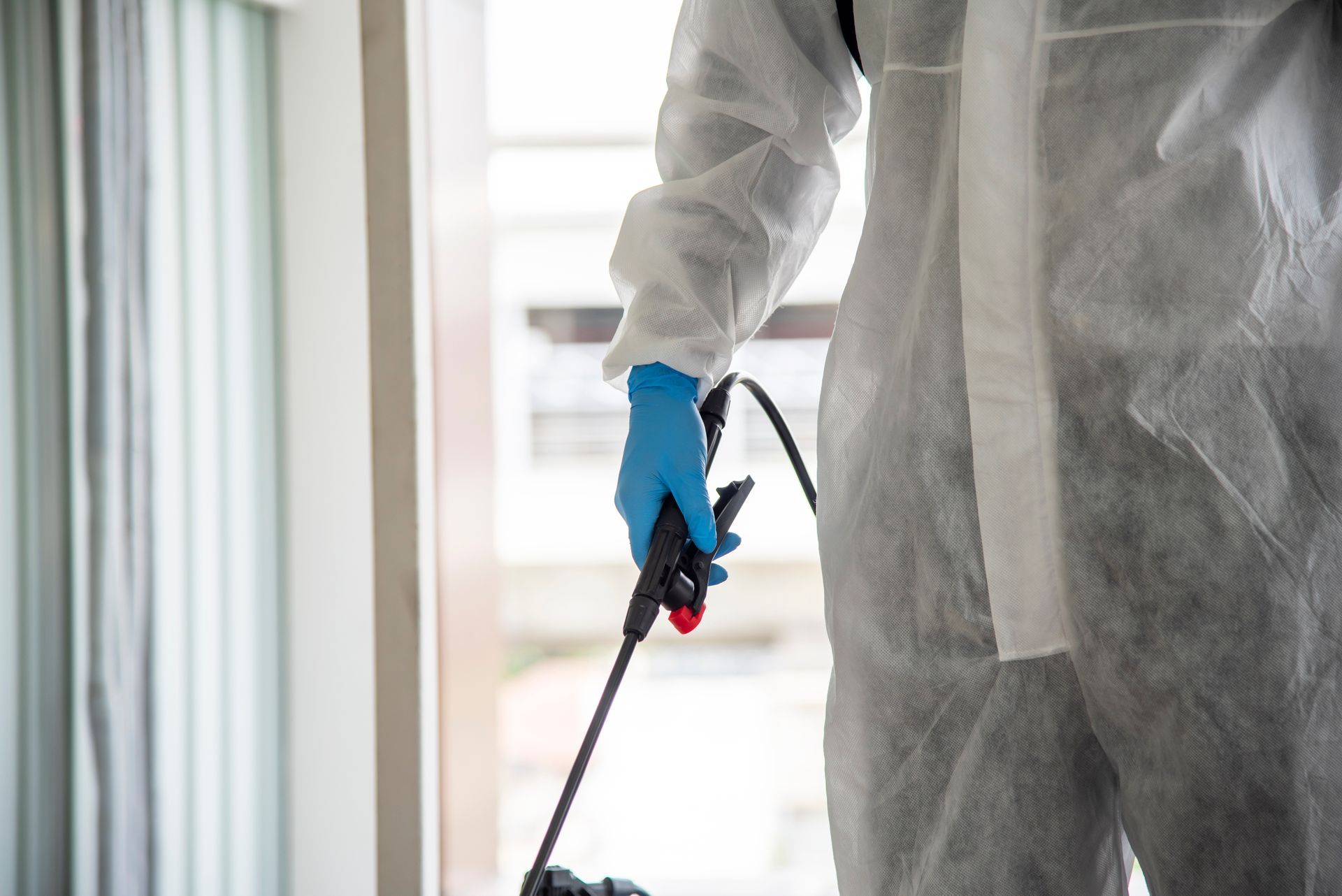
Mold Cleaning Services in Detroit, MI: learn when insurance covers mold, common exclusions, and what to do if denied. Security First offers expert help. Call today.
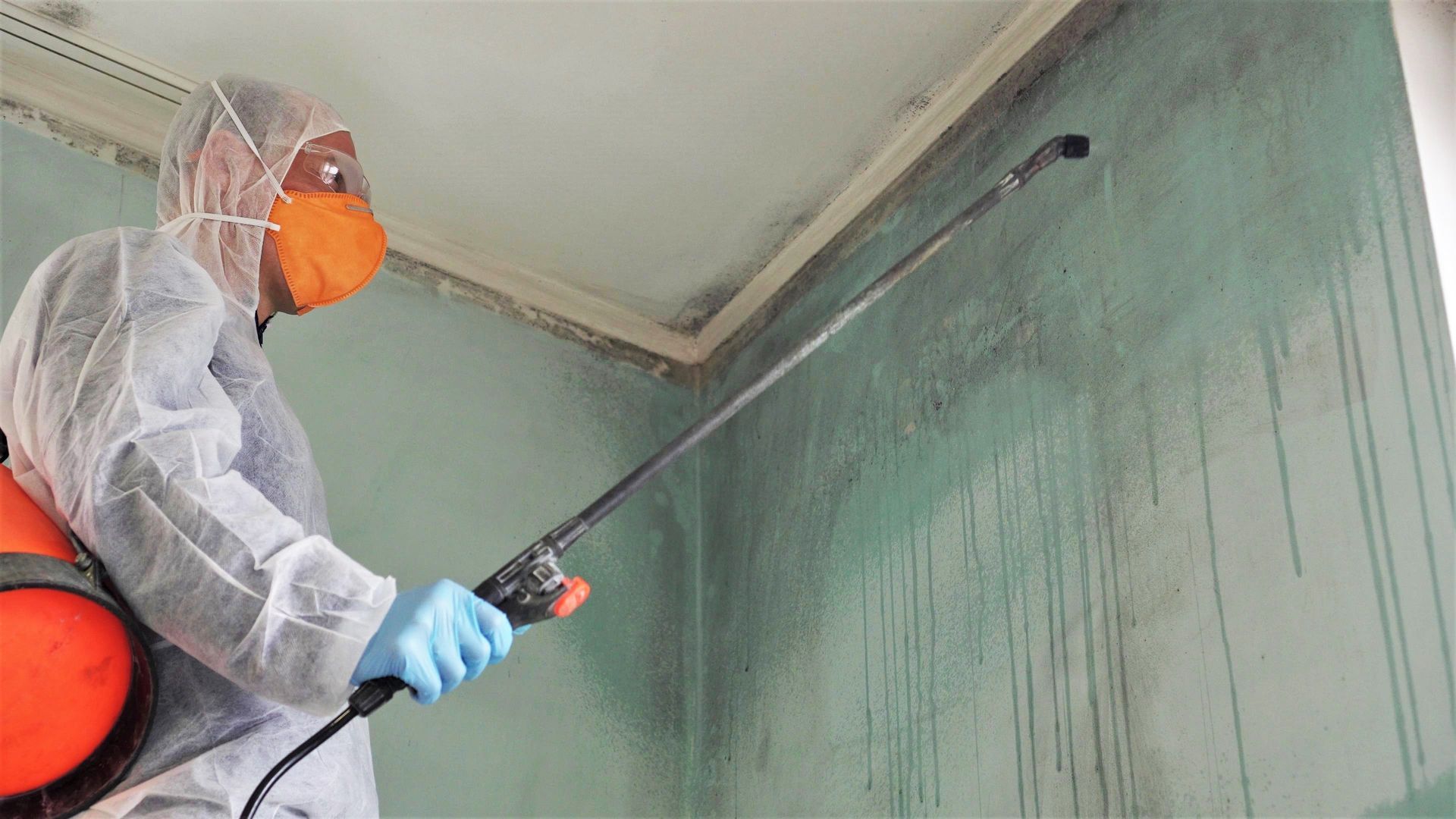
Learn the difference with a trusted mold inspection company in Detroit, MI. Security First Home Inspections & Remediation serves Detroit. Free quotes.
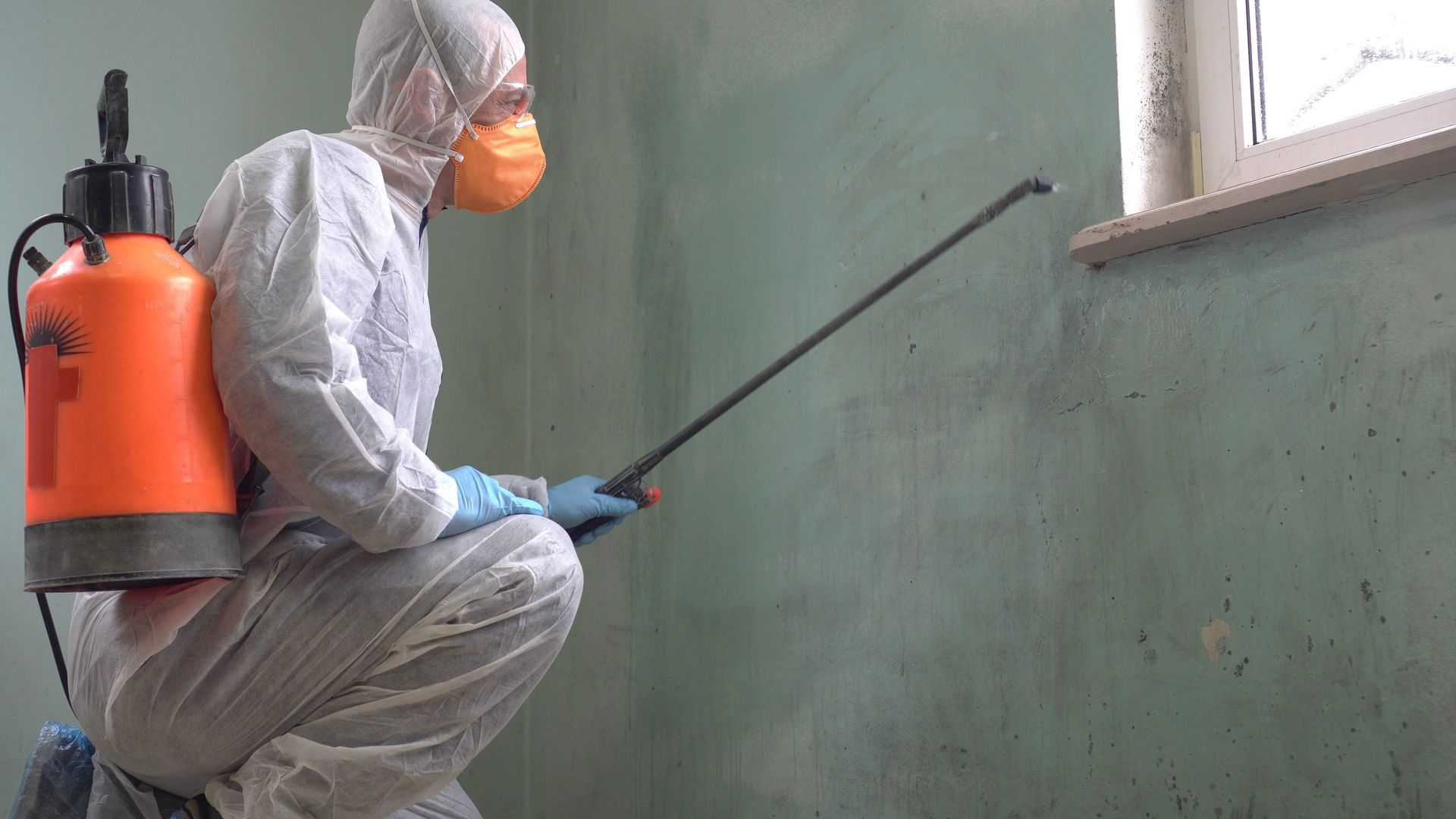
Need Mold Remediation in Detroit, MI? Security First Home Inspections serves Detroit buyers with expert mold testing and clearance. Call today.
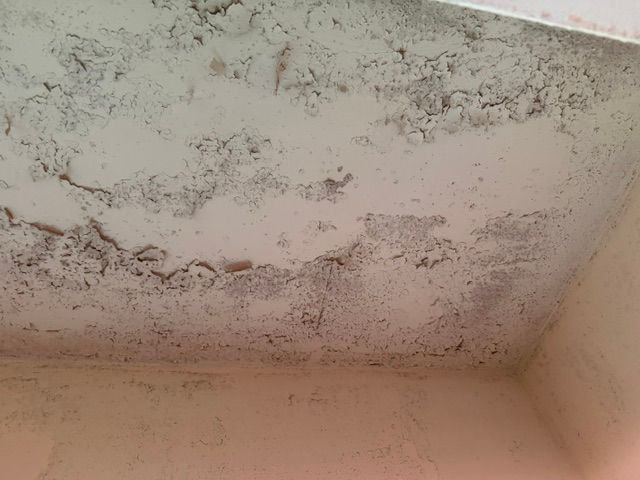
Purchasing a new home is an exciting milestone, but discovering hidden water damage and mold before moving in can quickly become overwhelming. That's exactly what happened for these homeowners in Fort Wayne, Indiana . Fortunately, our professional mold remediation team was able to restore the home to a safe, healthy condition before their family moved in.





